
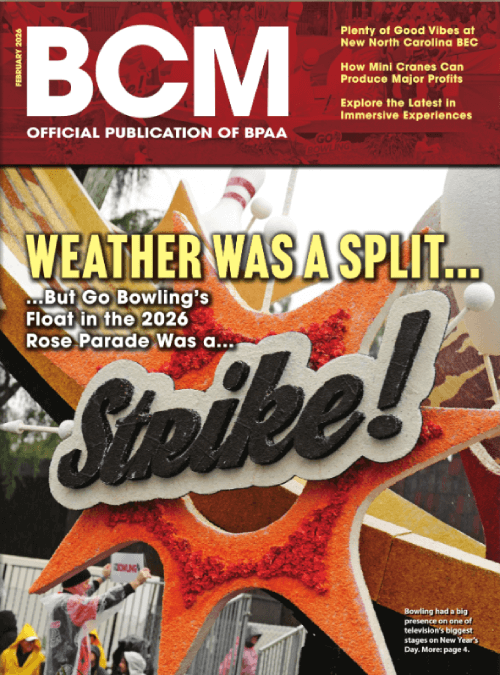
We were recently featured in Bowling Center Management magazine discussing how generational music trends shape atmosphere inside entertainment venues. One theme that keeps surfacing is Gen Z’s loyalty to throwbacks.
You would expect a generation raised on streaming and TikTok to chase whatever is newest.
Instead, playlists from the late ’90s and early 2000s regularly outperform current chart hits in live, social environments.
So, what’s going on?
Table of Contents
Authenticity Over Algorithm
Gen Z grew up in an environment shaped by algorithms. Playlists are personalized. Feeds are tailored. Music is optimized for short-form moments.
Older songs feel different. The production is more open and feels less engineered for virality. The writing feels direct. The emotional delivery feels unfiltered.
Whether that perception is technically true doesn’t really matter. What matters is that it resonates.
Familiarity Without Effort
Even if they weren’t alive when the music came out, these songs were part of home life, movies, car rides, and internet culture. They’re not new discoveries. They’re already embedded.
A track like “Mr. Brightside” is not just a 2004 single. It is cultural shorthand.
When it plays in a bar, restaurant, or entertainment venue, it requires no explanation. The room understands it instantly.
Participation Is Immediate
Throwbacks are built for group moments. Strong intros. Recognizable choruses. Clear build-ups. Guests don’t have to decide whether they know the song well enough to join in. They just do.
These tracks have survived twenty years of weddings, parties, and playlists. The response is almost reflexive.
In social venues, that reflex matters. Instead of listening, people participate. And participation shifts the energy of the room.
What This Means for Operators
This isn’t about turning your venue into a nostalgia playlist.
It’s about understanding when recognition works better than novelty.
For operators, this is less about nostalgia and more about reliability. Throwbacks are predictable energy drivers. They reduce risk during high-traffic periods and create immediate cohesion across age groups.
Gen Z may stream the newest releases individually. But in shared environments, they consistently respond to music that feels recognizable, proven, and easy to join.
A concentrated throwback block during peak hours can create immediate cohesion. Select crossover hits can bridge age groups without shifting the entire tone of the venue.
Atmosphere follows participation. And participation often follows the intro everyone already knows.